DJI / DRONE PROFILE
DJI Lito X1
Explore the available technical information for this aircraft, including camera capabilities, flight performance and manufacturer-specific specifications.
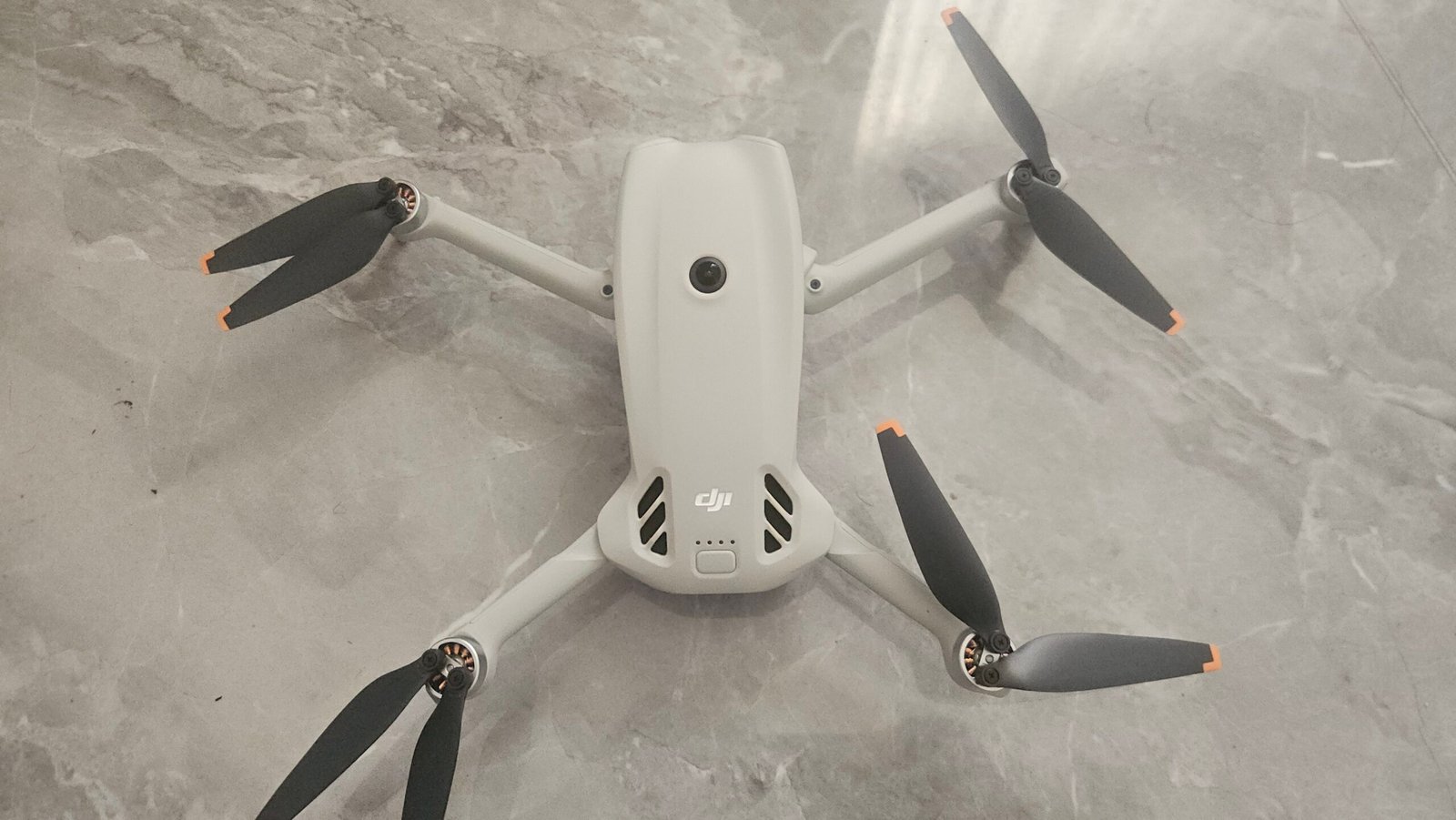
DJI Lito X1 is a current DJI camera-drone model. The specifications below distinguish standard and optional battery configurations and retain manufacturer test-condition notes where they materially affect the advertised numbers.
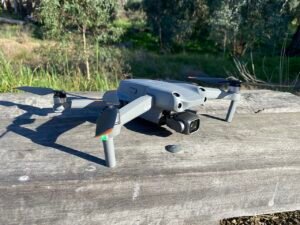
Image credit: Because love you, via Wikimedia Commons. Licensed under CC BY-SA 4.0. No edits made.
Key specifications and buying notes
DJI Lito X1 is presented here as the higher-positioned model in the Lito camera-drone range. Compare its camera modes, sensor, controller and battery package with the Lito 1 using the official regional product pages; do not assume every feature or bundle is identical across markets.
Manufacturer source: Official DJI documentation.
Position in the Lito range
DJI presents Lito X1 as the higher-positioned beginner-friendly camera drone in the Lito range. DJI’s regional store listing identifies a 1/1.3-inch CMOS sensor and HDR video capability up to 4K/60 fps. These are useful starting points, but they do not establish image quality in every lighting condition. Buyers should compare lens aperture, stabilisation, colour modes, supported frame rates, storage, obstacle sensing and battery bundles in the exact regional specification sheet.
Who should consider it?
The Lito X1 is worth shortlisting for a new pilot who wants an approachable camera drone but expects more imaging flexibility than the entry-level model. Before purchase, compare the complete kit price, controller included, number of batteries, charging hub, warranty and local service. Also check take-off weight and the applicable registration and pilot rules in the country where it will be flown.
This page is a research-based buying profile, not a flight test. DJI’s official store listing is the primary reference; confirm the current local product specification before relying on a feature or package claim: DJI Lito X1 official store listing.
Who should consider DJI Lito X1?
If you are moving up from a smaller drone, consider whether the added size, weight and camera capability will change your results enough to justify the extra cost and travel burden. If this is your first aircraft, budget for training, practice time, insurance where appropriate and a safe place to learn. For DJI Lito X1, compare the camera modes you will actually use with your phone or computer editing capability and storage budget.
Limitations and trade-offs to understand
Camera specifications need context. Sensor size, lens aperture, focal length, shutter, bit depth, codec, stabilisation and image processing all affect the final file. Check sample images and video from the exact recording mode you intend to use, and confirm that your phone or computer can edit the resulting files. For DJI Lito X1, price the complete kit with controller, batteries, charging accessories and a protective case rather than the aircraft alone.
Alternatives worth comparing
Compare this model with the nearest aircraft in the same use category and total-kit budget. A smaller compact model may be easier to carry, while a higher-tier camera drone may offer more lens or low-light flexibility. Compare the practical difference you will notice, not just the number of specifications. For DJI Lito X1, confirm take-off weight and destination rules for the exact battery configuration before travel.
Pre-purchase and ownership checklist
Check the official specification page and manual for the regional model, battery configuration, controller compatibility, weight, sensor limitations, firmware and service. Confirm local aviation rules and no-fly restrictions for every planned destination before flying. For DJI Lito X1, review the manual limitations for wind, obstacle sensing and return-to-home rather than treating automation as a guarantee.
How to use this specification profile
This page is a research-based reference, not a claim that IGIDRONE has independently flight-tested the aircraft. Treat manufacturer maximums as test-condition figures and distinguish standard equipment from optional accessories or regional bundles. Before buying, compare the exact model code, firmware, battery, controller and payload configuration against the current official manual. If a field is marked unknown or is not documented by the manufacturer, do not infer a value from a similarly named variant. For DJI Lito X1, compare the camera modes you will actually use with your phone or computer editing capability and storage budget.
Editorial update: 8 November 2026. Model availability, prices, software support and regional operating rules can change. Confirm them with the manufacturer, authorised distributor and relevant aviation authority before purchase or flight. For DJI Lito X1, price the complete kit with controller, batteries, charging accessories and a protective case rather than the aircraft alone.
Planning a realistic flight or shooting session
For a first-time owner, allow time to learn the controls and understand return-to-home, obstacle sensing, battery warnings and emergency procedures. Automated flight modes are useful aids, but the pilot remains responsible for selecting a safe route and maintaining awareness of people, aircraft and local restrictions. For DJI Lito X1, compare the camera modes you will actually use with your phone or computer editing capability and storage budget.
Evidence to request before purchase
Use the manufacturer current user manual and specification page as the primary references. Ask the retailer to confirm the exact regional model, controller, battery bundle, warranty, repair route and spare-part availability in writing. If camera performance matters, inspect sample files from the same recording mode rather than relying only on edited promotional footage. For DJI Lito X1, price the complete kit with controller, batteries, charging accessories and a protective case rather than the aircraft alone.
Editorial standard: buyer guidance is based on published manufacturer information and practical ownership considerations. IGIDRONE does not claim independent flight testing unless a page explicitly documents a real test. For DJI Lito X1, confirm take-off weight and destination rules for the exact battery configuration before travel.
Lito X1: compare the whole camera package
When comparing the Lito X1 with a less expensive compact drone, look at the complete camera workflow rather than one sensor-size figure. Check whether the recording modes you want are available at the same time as the desired stabilisation and colour settings, and confirm which modes require a particular battery or firmware. If you create vertical social clips, verify the actual camera orientation and cropping options instead of assuming every resolution supports every format. For DJI Lito X1, compare the camera modes you will actually use with your phone or computer editing capability and storage budget.
Ask the retailer to confirm the exact controller, battery count, charging accessories and regional warranty. If the price difference to the Lito 1 is small, decide whether the imaging flexibility is something you will use regularly. If your work is mostly casual daylight footage, the lower-cost kit may be sufficient; if you expect more demanding image work, compare sample files before choosing. For DJI Lito X1, price the complete kit with controller, batteries, charging accessories and a protective case rather than the aircraft alone.
Drone Specifications
| Brand | DJI |
|---|---|
| Camera | 1/1.3-inch CMOS, 48 MP, f/1.7 lens |
| Maximum Video Resolution | 4K/60fps HDR; 4K/100fps slow motion; H.265 10-bit D-Log M |
| Maximum Flight Time (minutes) | Up to 36 min standard battery; up to 52 min with optional Lito Series Intelligent Flight Battery Plus (controlled test conditions) minutes |
| Maximum Transmission Range (km) | DJI O4: up to 15 km IC; 8 km CE/SRRC/MIC, unobstructed conditions km |
| Weight (g) | Approx. 249 g standard takeoff weight; max takeoff weight approx. 340 g with specified accessories g |
| Battery Capacity (mAh) | 2,788 mAh standard; 4,680 mAh Plus mAh |
| Wind Resistance (m/s) | 10.7 m/s m/s |
| Obstacle Sensing | Omnidirectional vision sensing with forward-facing LiDAR and downward infrared sensor |
| Positioning / GPS | GPS + Galileo + BeiDou |
| Maximum Speed (m/s) | 18 m/s Sport mode m/s |
Additional Notes
52-minute flight time requires the optional Plus battery. DJI reports a 23-minute typical-flight test with standard battery; actual results vary. Regional battery and weight rules apply.
Specification source: Official source
Last verified: 2026-11-08
Official Price (USD)
No public USD price was verified on the manufacturer’s official store during this check.
For enterprise or discontinued models, contact the manufacturer for a current quotation. We do not substitute third-party seller prices.
MODEL TECHNICAL RECORD
Detailed Technical Specifications
Manufacturer-specific technical information recorded for this model. Values not present in the source record are not estimated.
Aircraft
| Standard takeoff weight | Approx. 249 g |
|---|---|
| Maximum takeoff weight | Approx. 340 g with specified accessories |
| Dimensions folded | 144 × 94 × 62 mm without propellers |
| Dimensions unfolded | 183 × 251 × 79 mm without propellers |
| Maximum flight time | 36 min standard battery; up to 52 min Plus battery under controlled conditions |
| Typical-flight test | 23 min standard battery; 37 min Plus battery in DJI test scenario |
| Maximum horizontal speed | 18 m/s Sport mode |
| Maximum ascent/descent speed | 7 m/s Sport; 5 m/s Normal; 3 m/s Cine |
| Wind resistance | 10.7 m/s |
| Maximum takeoff altitude | 4,500 m standard battery; 3,500 m Plus battery |
| Operating temperature | -10°C to 40°C |
| GNSS | GPS + Galileo + BeiDou |
Camera
| Sensor | 1/1.3-inch CMOS, 48 MP |
|---|---|
| Lens | 24 mm equivalent; f/1.7; 82.1° FOV |
| Video | 4K/60fps HDR; 4K/100fps slow motion; H.265 10-bit D-Log M |
| Photo | Up to 48 MP; JPEG/DNG RAW |
| Maximum bitrate | 130 Mbps |
Sensing
| Obstacle sensing | Omnidirectional vision system, forward-facing LiDAR and downward infrared sensor |
|---|
Transmission
| System | DJI O4 |
|---|---|
| Maximum range | 15 km IC; 8 km CE/SRRC/MIC, unobstructed conditions |
Storage
| Internal memory | 42 GB |
|---|
Battery
| Standard | 2,788 mAh, 7 V, 19.52 Wh |
|---|---|
| Optional Plus | 4,680 mAh, 7.16 V, 33.51 Wh |
Important notes
| Endurance | Maximum figures are controlled-condition tests; typical flight time depends on environment, camera use and battery. |
|---|
General
| Product Series | Product | Specs |
|---|---|
| DJI Lito Series | DJI Lito X1 | https://www.dji.com/cn/lito-x1/specs |
| DJI Mavic Series | DJI Mavic 4 Pro | https://www.dji.com/mavic-4-pro/specs |
| DJI Flip Series | DJI Flip | https://www.dji.com/flip/specs |
| DJI Neo Series | DJI Neo 2 | https://www.dji.com/neo-2/specs |
| DJI Mini Series | DJI Mini 5 Pro | https://www.dji.com/mini-5-pro/specs |
| DJI Avata Series | DJI Avata 360 | https://www.dji.com/avata-360/specs |
| DJI Air Series | DJI Air 3S | https://www.dji.com/air-3s/specs |
| Inspire Series | DJI Inspire 3 | https://www.dji.com/inspire-3/specs |
| Phantom 4 Series | Phantom 4 Pro | https://www.dji.com/phantom-4-pro/info#specs |
| Phantom 3 Series | Phantom 3 Standard | https://www.dji.com/support/product/phantom-3-standard |
| Spark | Spark | https://www.dji.com/spark/info#specs |
| DJI FPV Series | DJI O4 Air Unit Series | https://www.dji.com/o4-air-unit/specs |


Aircraft & Flight
| Maximum takeoff altitude | 4,500 m standard battery; 3,500 m Plus battery |
|---|---|
| Maximum ascent speed | 7 m/s Sport; 5 m/s Normal; 3 m/s Cine |
| Maximum descent speed | 7 m/s Sport; 5 m/s Normal; 3 m/s Cine |
| Typical flight time | 23 min standard battery; 37 min Plus battery in DJI typical-flight test scenario |
Operating Conditions & Dimensions
| Internal storage | 42 GB |
|---|
MANUFACTURER DATA
Detailed official specifications
Technical figures below are transcribed from the manufacturer documentation linked with this profile. Test figures are maximum or controlled-condition ratings where stated; actual performance varies by configuration and operating conditions. A field is omitted when the cited source does not publish a reliable value.
Manufacturer source last checked: 2026-11-08
Evidence type: Official DJI manufacturer specifications / user manual
Open official manufacturer specification source ↗
Source: manufacturer technical specifications and official support documentation. Regional versions, payloads, batteries, firmware and test conditions can change the stated figures. Check the linked source for the applicable configuration.
Related Dji drones
Explore other published models from the same manufacturer.