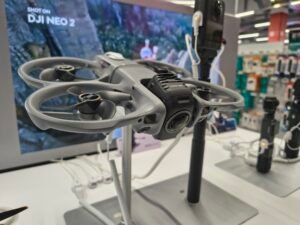
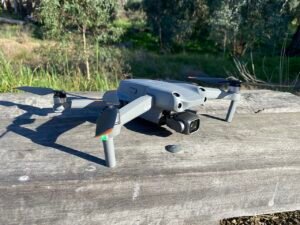
Photo: DJI Europe · View DJI Europe media-use source listing.
DJI / DRONE PROFILE
DJI Avata
Explore the available technical information for this aircraft, including camera capabilities, flight performance and manufacturer-specific specifications.
DJI model discovered from an official DJI technical-specification directory. Review the model, regional variant and specifications before publishing.
Image credit: DJI Europe media library (Media Use).
Price & Where to Buy
No current public USD price confirmed
Price not listed in the checked official source Not publicly listed
Check price: DJI Avata Explorer Combo
Check price: DJI Avata Pro-View Combo
Affiliate disclosure: IGIDRONE may earn a commission from qualifying purchases at no extra cost to you. Price checked 2026-11-05. Prices and package availability can change; confirm the selected configuration before ordering.
DJI Avata Review and Buying Guide
DJI Avata sits within DJI’s wider drone range, but the right choice depends on the type of flying, imaging or professional work you need to do. This guide brings the published specifications into context and highlights the practical questions worth checking before you buy. It is based on manufacturer information rather than claimed hands-on testing.
Check the DJI store:
Affiliate disclosure: IGIDRONE may earn a commission if you purchase through these links, at no additional cost to you. Product, bundle, price and availability are determined by DJI and may change.
Design and intended use
When considering the DJI Avata, start with the job you want the aircraft to do. This model is relevant to immersive FPV flying and dynamic footage. Think about where you will fly, how much equipment you need to carry, the amount of setup you are comfortable with and whether the selected package includes the controller, batteries and accessories you need.
Camera and image quality
Camera specifications help set expectations, but sensor size, lens design, recording modes, stabilization and post-production workflow all matter. The listed camera information is: 1/1.7-inch CMOS, 12 MP effective pixels; 155° FOV, f/2.8 lens. For paid or important projects, confirm the exact photo formats, frame rates, colour profiles and lens configuration against the manufacturer page before committing.
Flight performance and battery considerations
Manufacturer-rated flight time is a laboratory or controlled-condition figure, not a promise of the time available on every outing. Wind, temperature, flight speed, battery age, payload and return-to-home reserve can all reduce practical flight time. The specification record lists Approx. 18 min maximum hovering time (DJI windless test); DJI does not separately state a maximum forward-flight time in the specification table for flight time. The recorded wind-resistance figure is 10.7 m/s (Level 5). Plan conservative battery reserves and follow local aviation rules.
Safety, control and connectivity
The DJI Avata uses DJI O3+ video transmission and supports compatible DJI goggles and controllers. DJI lists a maximum video-transmission range of 10 km (FCC), 6 km (SRRC) or 2 km (CE) in unobstructed, interference-free conditions; regional radio rules and interference affect the usable range. This is separate from the aircraft’s 11.6 km maximum flight-distance figure. For safety, the Avata has downward binocular-vision and time-of-flight sensing only, and does not provide omnidirectional obstacle avoidance. DJI notes that downward obstacle sensing is available only with the DJI FPV Remote Controller 2 or DJI Motion Controller in Normal and Sport modes. Sensors do not replace a pre-flight check, visual awareness or compliance with local FPV rules.
Key specifications at a glance
- Camera / imaging: 1/1.7-inch CMOS, 12 MP effective pixels; 155° FOV, f/2.8 lens
- Video capability: 4K up to 60 fps; 2.7K up to 120 fps; 1080p up to 120 fps; MP4, up to 150 Mbps
- Manufacturer-rated flight time: Approx. 18 min maximum hovering time (DJI windless test); DJI does not separately state a maximum forward-flight time in the specification table
- Weight: Approx. 410 g
- Maximum flight distance: 11.6 km (DJI windless test; a flight-distance figure, not a radio transmission range)
- Maximum video-transmission range: 10 km (FCC), 6 km (SRRC), 2 km (CE), measured in unobstructed, interference-free conditions
- Video transmission: DJI O3+; compatible DJI goggles required for the FPV live-view experience
- Obstacle sensing: Downward binocular vision and ToF only; no omnidirectional obstacle avoidance
Who should consider this drone?
This aircraft is aimed at pilots who want an immersive FPV flying experience rather than a conventional camera-drone workflow. When evaluating the Avata, pay particular attention to the goggles and motion/standard controller combination included with the unit, propeller-guard condition, battery health and the space available for safe practice. Its handling style and camera perspective are different from a stabilized travel-drone shot, so it is not automatically the best choice for every aerial photography task.
Advantages and points to check
- Model-specific advantage: The Avata family is built around FPV-style flying and immersive operation rather than a conventional camera-drone workflow.
- Model-specific limitation: Goggles, controller, propeller protection, battery configuration and the live video system all affect the ownership experience.
- Purchase check: Check the exact aircraft/goggles compatibility and replacement parts before choosing a package.
IGIDRONE verdict
The DJI Avata should be judged by how well its documented capabilities match your actual work and budget. Use the specifications on this page to shortlist it, then confirm any critical detail on the official manufacturer page and compare it with alternatives before purchasing.
Manufacturer reference: View official DJI Avata product support or view the official DJI Avata specifications.
Where to check the price
For the listed DJI package options, check the current product details and availability directly with DJI:
Disclosure: These are affiliate links. IGIDRONE may receive a commission from qualifying purchases; this does not change the price you pay.
Drone Specifications
| Brand | DJI |
|---|---|
| Camera | 1/1.7-inch CMOS, 12 MP effective pixels; 155° FOV, f/2.8 lens |
| Maximum Video Resolution | 4K up to 60 fps; 2.7K up to 120 fps; 1080p up to 120 fps; MP4, up to 150 Mbps |
| Maximum Flight Time (minutes) | Approx. 18 min maximum hovering time (DJI windless test); DJI does not separately state a maximum forward-flight time in the specification table minutes |
| Maximum Transmission Range (km) | 10 km (FCC), 2 km (CE), 6 km (SRRC) km |
| Weight (g) | Approx. 410 g g |
| Battery Capacity (mAh) | Intelligent Flight Battery: 2420 mAh mAh |
| Wind Resistance (m/s) | 10.7 m/s (Level 5) m/s |
| Obstacle Sensing | Downward binocular vision and ToF only; no omnidirectional obstacle avoidance. Downward obstacle sensing supported with DJI FPV Remote Controller 2 or DJI Motion Controller in Normal and Sport modes. |
| Positioning / GPS | GPS + Galileo + BeiDou |
| Maximum Speed (m/s) | 27 m/s Manual; 14 m/s Sport; 8 m/s Normal (near sea level, no wind) m/s |
Additional Notes
DJI Avata uses DJI O3+ video transmission. Maximum video-transmission range: 10 km FCC / 6 km SRRC / 2 km CE in unobstructed, interference-free conditions. This is separate from the 11.6 km maximum flight distance. No omnidirectional obstacle avoidance.
Specification source: Official source
Last verified: 2026-11-08
Official Price (USD)
No public USD price was verified on the manufacturer’s official store during this check.
No current public USD price for the original DJI Avata was verified on the official DJI United States product/support page. DJI Avata 2, refurbished and non-US prices are not substituted. Checked 2026-11-23.
For enterprise or discontinued models, contact the manufacturer for a current quotation. We do not substitute third-party seller prices.
Price checked: 2026-11-23
MODEL TECHNICAL RECORD
Detailed Technical Specifications
Manufacturer-specific technical information recorded for this model. Values not present in the source record are not estimated.
Camera
| Sensor | 1/1.7-inch CMOS Effective Pixels: 12 MP |
|---|---|
| Lens | FOV: 155° Equivalent Focal Length: 12.7 mm Focal Length: 2.34 mm Aperture: f/2.8 Focus Mode: FF Focus Range: 0.6 m to ∞ |
| ISO Range | 100-6400 (Auto) 100-25600 (Manual) |
| Shutter Speed | Video: 1/8000-1/50 s Photo: 1/8000-1/50 s |
| Still Photography Mode | Single Shot |
| Max Image Size | 4000×3000 |
| Photo Format | JPEG |
| Video Resolution | With DJI Goggles 2: 4K@30/50/60fps 2.7K@30/50/60/100/120fps 1080p@30/50/60/100/120fps With DJI FPV Goggles V2: 4K@30/50/60fps 2.7K@30/50/60/100/120fps 1080p@30/50/60/100/120fps |
| Video Format | MP4 |
| Max Video Bitrate | 150 Mbps |
| Color Mode | Standard D-Cinelike |
| EIS | Supports RockSteady and HorizonSteady Can be disabled |
| Distortion Correction | Supports Normal Mode, Wide Mode, and Ultra Wide Mode |
| Supported File System | exFAT |
Gimbal
| Mechanical Range | Tilt: -95° to 75° |
|---|---|
| Controllable Range | Tilt: -80° to +65° |
| Stabilization | Single-Axis (tilt) |
| Max Control Speed | 60°/s |
| Angular Vibration Range | ±0.01° |
| Electronic Roll Axis | Real-time screen correction is unavailable during recording, but can be applied to the footage recorded on the drone. |
Aircraft
| Model | QF2W4K |
|---|---|
| Takeoff Weight | Approx. 410 g |
| Dimensions (L×W×H) | 180×180×80 mm |
| Diagonal Distance | 120 mm |
| Max Ascent Speed | 6 m/s (Normal Mode, Sport Mode) |
| Max Descent Speed | 6 m/s (Normal Mode, Sport Mode) |
| Max Speed [1] | 8 m/s (Normal Mode) 14 m/s (Sport Mode) 27 m/s (Manual Mode) |
| Maximum Takeoff Altitude | 5000 m |
| Max Hover Time | Approx. 18 mins [2] |
| Max Flight Distance | 11.6 km |
| Max Wind Speed Resistance | 10.7 m/s (Level 5) |
| Operating Temperature Range | -10° to 40° C (14° to 104° F) |
| Transmission Power (EIRP) | FCC: < 33 dBm CE: < 14 dBm SRRC: < 30 dBm |
| Antennas | Dual Antennas, 2T2R |
| GNSS | GPS + Galileo + BeiDou |
| Hovering Accuracy Range | Vertical: ±0.1 m (with Vision Positioning) ±0.5 m (with GNSS Positioning) Horizontal: ±0.3 m (with Vision Positioning) ±1.5 m (with GNSS Positioning) |
| Supported SD Cards | microSD (up to 256 GB) |
| Recommended microSD Cards | SanDisk Extreme U3 V30 A1 32GB microSDXC SanDisk Extreme Pro U3 V30 A1 32GB microSDXC Kingston Canvas Go!Plus U3 V30 A2 64GB microSDXC Kingston Canvas React Plus U3 V90 A1 64GB microSDXC Kingston Canvas React Plus U3 V90 A1 128GB microSDXC Kingston Canvas React Plus U3 V90 A1 256GB microSDXC Samsung PRO Plus U3 V30 A2 256GB microSDXC |
| Internal Storage | 20 GB |
Sensing
| Downward (Binocular Vision and ToF) [3] | ToF Effective Measurement Height: 10 m Precise Hovering Range: 0.5-10 m Vision Sensor Hovering Range: 0.5-20 m |
|---|---|
| Operating Environment | Diffuse reflective surfaces with a clear pattern > 20% (such as walls, trees, or people) Adequate lighting (lux > 15, normal indoor lighting conditions) |
Intelligent Flight Battery
| Battery Capacity | 2420 mAh |
|---|---|
| Voltage | 14.76 V |
| Charging Voltage Limit | 17 V |
| Type | Li-ion |
| Chemical System | LiNiMnCoO2 |
| Energy | 35.71 Wh@0.5C |
| Discharge Rate | Typical: 7C |
| Weight | Approx. 162 g |
| Charging Temperature Range | 5° to 40° C (41° to 104° F) |
Video Transmission
| Communication Frequency | 2.400-2.4835 GHz (RX only) 5.725-5.850 GHz (RX and TX) [4] |
|---|---|
| Communication Bandwidth | Max 40 MHz |
| Live View Quality and Latency [5] | With DJI FPV Goggles V2: 810p/120fps Video Transmission Quality: The video transmission latency is lower than 28 ms. 810p/60fps Video Transmission Quality: The video transmission latency is lower than 40 ms. With DJI Goggles 2: 1080p/100fps Video Transmission Quality: The video transmission latency is as low as 30 ms. 1080p/60fps Video Transmission Quality: The video transmission latency is as low as 40 ms. |
| Max Video Transmission Bitrate [6] | 50 Mbps |
| Max Video Transmission Range [7] | 10 km (FCC), 2 km (CE), 6 km (SRRC) |
| Audio Transmission | N/A |
DJI Goggles 2
| Model | RCDS18 |
|---|---|
| Weight | Approx. 290 g (headband included) |
| Dimensions (L×W×H) | With antennas folded: 167.40×103.90×81.31 mm With antennas unfolded: 196.69×103.90×104.61 mm |
| Screen Size (single screen) | 0.49-inch |
| Resolution (single screen) | 1920×1080 |
| Refresh Rate | Up to 100 Hz |
| Interpupillary Distance Range | 56-72 mm |
| Diopter Adjustment Range | -8.0 D to +2.0 D |
| FOV (single screen) | 51° |
| Communication Frequency | 2.400-2.4835 GHz 5.725-5.850 GHz [4] |
| Transmission Power (EIRP) | 2.4 GHz: < 30 dBm (FCC), < 20 dBm (CE/SRRC/KC) 5.8 GHz [4]: < 30 dBm (FCC), < 23 dBm (SRRC), < 14 dBm (CE/KC) |
| Wi-Fi Protocol | Wi-Fi 802.11b/a/g/n/ac |
| Wi-Fi Communication Frequency | 2.400-2.4835 GHz 5.150-5.250 GHz (indoor use only) [8] 5.725-5.850 GHz [4] |
| Wi-Fi Transmission Power (EIRP) | 2.4 GHz: < 20 dBm (FCC/CE/SRRC/KC) 5.1 GHz [8]: < 20 dBm (FCC/CE/KC) 5.8 GHz [4]: < 20 dBm (FCC/SRRC/KC), < 14 dBm (CE) |
| Bluetooth Protocol | Bluetooth 5.2 |
| Bluetooth Communication Frequency | 2.400-2.4835 GHz |
| Bluetooth Transmission Power (EIRP) | < 8 dBm |
| Max Video Transmission Bitrate [6] | 50 Mbps |
| Video Recording Format | MOV |
| Supported Video and Audio Playback Formats | MP4 and MOV (video coding formats: H.264 and H.265; audio format: ACC, PCM) |
| Wi-Fi Wireless Streaming | Supports DLNA Protocol |
| Operating Temperature Range | -10° to 40° C (14° to 104° F) |
| Power Input | DJI Goggles 2 Battery |
| Supported SD Cards | microSD (up to 256 GB) |
DJI Goggles 2 Battery
| Capacity | 1800 mAh |
|---|---|
| Voltage | 7-9 V (1.5 A) |
| Type | Li-ion |
| Chemical System | LiNiMnCoO2 |
| Energy | 18 Wh |
| Charging Temperature Range | 0° to 45° C (32° to 113° F) |
| Max Charging Power | 12.6 W (5 V/2 A, 9 V/1.4 A) |
| Weight | Approx. 122 g |
| Dimensions (L×W×H) | 73.04×40.96×26 mm |
| Operating Time | Approx. 2 hours |
DJI FPV Goggles V2
| Model | FGDB28 |
|---|---|
| Weight | Approx. 420 g (headband and antennas included) |
| Supported Video and Audio Playback Formats | MP4, MOV, MKV (video coding format: H.264; audio formats: AAC-LC, AAC-HE, AC-3, MP3) |
| Operating Temperature Range | 0° to 40° C (32° to 104° F) |
| Video Recording Format | MOV (video coding format: H.264) |
| FOV | 30° to 54°, adjustable Image Size: 50% to 100% |
| Communication Frequency | 2.400-2.4835 GHz 5.725-5.850 GHz [4] |
| Max Video Transmission Bitrate [6] | 50 Mbps |
| Dimensions (L×W×H) | Without antennas: 184×122×110 mm With antennas: 202×126×110 mm |
| Transmission Power (EIRP) | 2.400-2.4835 GHz FCC: ≤ 28.5 dBm CE: ≤ 20 dBm SRRC: ≤ 20 dBm 5.725-5.850 GHz [4] FCC: ≤ 31.5 dBm CE: ≤ 14 dBm SRRC: ≤ 19 dBm |
| Screen Size (single screen) | 2-inch |
| Power Input | Dedicated DJI Goggles batteries |
| Supported SD Cards | microSD (up to 256 GB) |
| Communication Bandwidth | Max 40 MHz |
| Interpupillary Distance Range | 58-70 mm |
| Refresh Rate | 144 Hz |
| Screen Resolution | 1440×810 |
DJI FPV Goggles V2 Battery
| Weight | Approx. 119 g |
|---|---|
| Dimensions (L×W×H) | 73.04×40.96×26 mm |
| Capacity | 1800 mAh |
| Voltage | Max 9 V |
| Chemical System | LiNiMnCoO2 |
| Type | Li-Po 2S |
| Energy | 18 Wh |
| Charging Temperature Range | 0° to 45° C (32° to 113° F) |
| Max Charging Power | 10 W |
| Operating Time | Approx. 110 mins |
DJI Motion Controller
| Model | FC7BMC |
|---|---|
| Weight | Approx. 167 g |
| Communication Frequency | 2.400-2.4835 GHz 5.725-5.850 GHz [4] |
| Transmission Power (EIRP) | 2.4 GHz: ≤ 28.5 dBm (FCC), ≤ 20 dBm (CE/SRRC) 5.8 GHz [4]: ≤ 31.5 dBm (FCC), ≤ 19 dBm (SRRC), ≤ 14 dBm (CE) |
| Operating Temperature Range | -10° to 40° C (14° to 104° F) |
| Operating Time | Approx. 5 hours |
DJI FPV Remote Controller 2
| Model | FC7BGC |
|---|---|
| Weight | Approx. 346 g |
| Communication Frequency | 2.400-2.4835 GHz 5.725-5.850 GHz [4] |
| Transmission Power (EIRP) | 2.4 GHz: ≤ 28.5 dBm (FCC), ≤ 20 dBm (CE/SRRC) 5.8 GHz [4]: ≤ 31.5 dBm (FCC), ≤ 19 dBm (SRRC), ≤ 14 dBm (CE) |
| Dimensions (L×W×H) | 190×140×51 mm |
| Operating Time | Approx. 9 hours |
| Operating Temperature Range | -10° to 40° C (14° to 104° F) |
| Charging Time | 2.5 hours |
Other
| Footnotes | 1. The max flight speed is subject to dynamic local restrictions. Please abide by local laws and regulations when flying. 2. Tested when hovering in an environment without wind or interference. 3. DJI Avata only supports downward obstacle sensing when used with DJI FPV Remote Controller 2, or DJI Motion Controller in N Mode and S Mode. 4. The 5.8 GHz frequency band is currently banned in certain countries or regions. For details, please refer to local laws and regulations. 5. Tested in an outdoor open environment without interference. The video transmission latency data varies with different models. 6. Tested in an outdoor open environment without interference. The video transmission bitrate varies with operating environments. 7. FCC compliant and tested in an outdoor open environment without interference. Data is tested under different standards in an outdoor open environment without interference. Only to serve as a reference for the max one-way communication distance without considering RTH. Please pay attention to the RTH prompts during actual flight. Max one-way communication distance of DJI Avata in countries/regions of different standards: FCC: United States, Australia, Canada, Hong Kong, Taiwan, Chile, Colombia, Puerto Rico, and other regions. SRRC: Mainland China. CE: UK, France, Germany, Portugal, Spain, Switzerland, Macau, New Zealand, UAE, and other regions. 8. The 5.1 GHz frequency band is currently banned in Thailand. For details, please refer to local laws and regulations. |
|---|---|
| Guaranteed software updates until | 2026/12/31 |


MANUFACTURER DATA
Detailed official specifications
Technical figures below are transcribed from the manufacturer documentation linked with this profile. Test figures are maximum or controlled-condition ratings where stated; actual performance varies by configuration and operating conditions. A field is omitted when the cited source does not publish a reliable value.
Manufacturer source last checked: 2026-11-08
Evidence type: Official DJI manufacturer specifications / support documentation / user manual
Camera
| Sensor | 1/1.7-inch CMOS; Effective Pixels: 12 MP |
|---|---|
| Lens | FOV: 155°; Equivalent Focal Length: 12.7 mm; Focal Length: 2.34 mm; Aperture: f/2.8; Focus Mode: FF; Focus Range: 0.6 m to ∞ |
| ISO Range | 100-6400 (Auto); 100-25600 (Manual) |
| Shutter Speed | Video: 1/8000-1/50 s; Photo: 1/8000-1/50 s |
| Still Photography Mode | Single Shot |
| Max Image Size | 4000×3000 |
| Photo Format | JPEG |
| Video Resolution | With DJI Goggles 2:; 4K@30/50/60fps; 2.7K@30/50/60/100/120fps; 1080p@30/50/60/100/120fps; ; With DJI FPV Goggles V2:; 4K@30/50/60fps; 2.7K@30/50/60/100/120fps; 1080p@30/50/60/100/120fps |
| Video Format | MP4 |
| Max Video Bitrate | 150 Mbps |
| Color Mode | Standard; D-Cinelike |
| EIS | Supports RockSteady and HorizonSteady; Can be disabled |
| Distortion Correction | Supports Normal Mode, Wide Mode, and Ultra Wide Mode |
| Supported File System | exFAT |
Gimbal
| Mechanical Range | Tilt: -95° to 75° |
|---|---|
| Controllable Range | Tilt: -80° to +65° |
| Stabilization | Single-Axis (tilt) |
| Max Control Speed | 60°/s |
| Angular Vibration Range | ±0.01° |
| Electronic Roll Axis | Real-time screen correction is unavailable during recording, but can be applied to the footage recorded on the drone. |
Aircraft
| Model | QF2W4K |
|---|---|
| Takeoff Weight | Approx. 410 g |
| Dimensions (L×W×H) | 180×180×80 mm |
| Diagonal Distance | 120 mm |
| Max Ascent Speed | 6 m/s (Normal Mode, Sport Mode) |
| Max Descent Speed | 6 m/s (Normal Mode, Sport Mode) |
| Max Speed [1] | 8 m/s (Normal Mode); 14 m/s (Sport Mode); 27 m/s (Manual Mode) |
| Maximum Takeoff Altitude | 5000 m |
| Max Hover Time | Approx. 18 mins [2] |
| Max Flight Distance | 11.6 km |
| Max Wind Speed Resistance | 10.7 m/s (Level 5) |
| Operating Temperature Range | -10° to 40° C (14° to 104° F) |
| Transmission Power (EIRP) | FCC: < 33 dBm; CE: < 14 dBm; SRRC: < 30 dBm |
| Antennas | Dual Antennas, 2T2R |
| GNSS | GPS + Galileo + BeiDou |
| Hovering Accuracy Range | Vertical: ; ±0.1 m (with Vision Positioning); ±0.5 m (with GNSS Positioning); ; Horizontal: ; ±0.3 m (with Vision Positioning); ±1.5 m (with GNSS Positioning) |
| Supported SD Cards | microSD (up to 256 GB) |
| Recommended microSD Cards | SanDisk Extreme U3 V30 A1 32GB microSDXC; SanDisk Extreme Pro U3 V30 A1 32GB microSDXC; Kingston Canvas Go!Plus U3 V30 A2 64GB microSDXC; Kingston Canvas React Plus U3 V90 A1 64GB microSDXC; Kingston Canvas React Plus U3 V90 A1 128GB microSDXC; Kingston Canvas React Plus U3 V90 A1 256GB microSDXC; Samsung PRO Plus U3 V30 A2 256GB microSDXC |
| Internal Storage | 20 GB |
Sensing System
| Downward (Binocular Vision and ToF) [3] | ToF Effective Measurement Height: 10 m; Precise Hovering Range: 0.5-10 m; Vision Sensor Hovering Range: 0.5-20 m |
|---|---|
| Operating Environment | Diffuse reflective surfaces with a clear pattern > 20% (such as walls, trees, or people); Adequate lighting (lux > 15, normal indoor lighting conditions) |
Intelligent Flight Battery
| Battery Capacity | 2420 mAh |
|---|---|
| Voltage | 14.76 V |
| Charging Voltage Limit | 17 V |
| Type | Li-ion |
| Chemical System | LiNiMnCoO2 |
| Energy | 35.71 Wh@0.5C |
| Discharge Rate | Typical: 7C |
| Weight | Approx. 162 g |
| Charging Temperature Range | 5° to 40° C (41° to 104° F) |
Video Transmission
| Communication Frequency | 2.400-2.4835 GHz (RX only); 5.725-5.850 GHz (RX and TX) [4] |
|---|---|
| Communication Bandwidth | Max 40 MHz |
| Live View Quality and Latency [5] | With DJI FPV Goggles V2: ; 810p/120fps Video Transmission Quality: The video transmission latency is lower than 28 ms.; 810p/60fps Video Transmission Quality: The video transmission latency is lower than 40 ms.; ; With DJI Goggles 2: ; 1080p/100fps Video Transmission Quality: The video transmission latency is as low as 30 ms.; 1080p/60fps Video Transmission Quality: The video transmission latency is as low as 40 ms. |
| Max Video Transmission Bitrate [6] | 50 Mbps |
| Max Video Transmission Range [7] | 10 km (FCC), 2 km (CE), 6 km (SRRC) |
| Audio Transmission | N/A |
DJI Goggles 2
| Model | RCDS18 |
|---|---|
| Weight | Approx. 290 g (headband included) |
| Dimensions (L×W×H) | With antennas folded: 167.40×103.90×81.31 mm; With antennas unfolded: 196.69×103.90×104.61 mm |
| Screen Size (single screen) | 0.49-inch |
| Resolution (single screen) | 1920×1080 |
| Refresh Rate | Up to 100 Hz |
| Interpupillary Distance Range | 56-72 mm |
| Diopter Adjustment Range | -8.0 D to +2.0 D |
| FOV (single screen) | 51° |
| Communication Frequency | 2.400-2.4835 GHz; 5.725-5.850 GHz [4] |
| Transmission Power (EIRP) | 2.4 GHz: < 30 dBm (FCC), < 20 dBm (CE/SRRC/KC); 5.8 GHz [4]: < 30 dBm (FCC), < 23 dBm (SRRC), < 14 dBm (CE/KC) |
| Wi-Fi Protocol | Wi-Fi 802.11b/a/g/n/ac |
| Wi-Fi Communication Frequency | 2.400-2.4835 GHz; 5.150-5.250 GHz (indoor use only) [8]; 5.725-5.850 GHz [4] |
| Wi-Fi Transmission Power (EIRP) | 2.4 GHz: < 20 dBm (FCC/CE/SRRC/KC); 5.1 GHz [8]: < 20 dBm (FCC/CE/KC); 5.8 GHz [4]: < 20 dBm (FCC/SRRC/KC), < 14 dBm (CE) |
| Bluetooth Protocol | Bluetooth 5.2 |
| Bluetooth Communication Frequency | 2.400-2.4835 GHz |
| Bluetooth Transmission Power (EIRP) | < 8 dBm |
| Max Video Transmission Bitrate [6] | 50 Mbps |
| Video Recording Format | MOV |
| Supported Video and Audio Playback Formats | MP4 and MOV (video coding formats: H.264 and H.265; audio format: ACC, PCM) |
| Wi-Fi Wireless Streaming | Supports DLNA Protocol |
| Operating Temperature Range | -10° to 40° C (14° to 104° F) |
| Power Input | DJI Goggles 2 Battery |
| Supported SD Cards | microSD (up to 256 GB) |
DJI Goggles 2 Battery
| Capacity | 1800 mAh |
|---|---|
| Voltage | 7-9 V (1.5 A) |
| Type | Li-ion |
| Chemical System | LiNiMnCoO2 |
| Energy | 18 Wh |
| Charging Temperature Range | 0° to 45° C (32° to 113° F) |
| Max Charging Power | 12.6 W (5 V/2 A, 9 V/1.4 A) |
| Weight | Approx. 122 g |
| Dimensions (L×W×H) | 73.04×40.96×26 mm |
| Operating Time | Approx. 2 hours |
DJI FPV Goggles V2
| Model | FGDB28 |
|---|---|
| Weight | Approx. 420 g (headband and antennas included) |
| Supported Video and Audio Playback Formats | MP4, MOV, MKV (video coding format: H.264; audio formats: AAC-LC, AAC-HE, AC-3, MP3) |
| Operating Temperature Range | 0° to 40° C (32° to 104° F) |
| Video Recording Format | MOV (video coding format: H.264) |
| FOV | 30° to 54°, adjustable; Image Size: 50% to 100% |
| Communication Frequency | 2.400-2.4835 GHz; 5.725-5.850 GHz [4] |
| Max Video Transmission Bitrate [6] | 50 Mbps |
| Dimensions (L×W×H) | Without antennas: 184×122×110 mm; With antennas: 202×126×110 mm |
| Transmission Power (EIRP) | 2.400-2.4835 GHz; FCC: ≤ 28.5 dBm; CE: ≤ 20 dBm; SRRC: ≤ 20 dBm; ; 5.725-5.850 GHz [4]; FCC: ≤ 31.5 dBm; CE: ≤ 14 dBm; SRRC: ≤ 19 dBm; |
| Screen Size (single screen) | 2-inch |
| Power Input | Dedicated DJI Goggles batteries |
| Supported SD Cards | microSD (up to 256 GB) |
| Communication Bandwidth | Max 40 MHz |
| Interpupillary Distance Range | 58-70 mm |
| Refresh Rate | 144 Hz |
| Screen Resolution | 1440×810 |
DJI FPV Goggles V2 Battery
| Weight | Approx. 119 g |
|---|---|
| Dimensions (L×W×H) | 73.04×40.96×26 mm |
| Capacity | 1800 mAh |
| Voltage | Max 9 V |
| Chemical System | LiNiMnCoO2 |
| Type | Li-Po 2S |
| Energy | 18 Wh |
| Charging Temperature Range | 0° to 45° C (32° to 113° F) |
| Max Charging Power | 10 W |
| Operating Time | Approx. 110 mins |
DJI Motion Controller
| Model | FC7BMC |
|---|---|
| Weight | Approx. 167 g |
| Communication Frequency | 2.400-2.4835 GHz; 5.725-5.850 GHz [4] |
| Transmission Power (EIRP) | 2.4 GHz: ≤ 28.5 dBm (FCC), ≤ 20 dBm (CE/SRRC); 5.8 GHz [4]: ≤ 31.5 dBm (FCC), ≤ 19 dBm (SRRC), ≤ 14 dBm (CE) |
| Operating Temperature Range | -10° to 40° C (14° to 104° F) |
| Operating Time | Approx. 5 hours |
DJI FPV Remote Controller 2
| Model | FC7BGC |
|---|---|
| Weight | Approx. 346 g |
| Communication Frequency | 2.400-2.4835 GHz; 5.725-5.850 GHz [4] |
| Transmission Power (EIRP) | 2.4 GHz: ≤ 28.5 dBm (FCC), ≤ 20 dBm (CE/SRRC); 5.8 GHz [4]: ≤ 31.5 dBm (FCC), ≤ 19 dBm (SRRC), ≤ 14 dBm (CE) |
| Dimensions (L×W×H) | 190×140×51 mm |
| Operating Time | Approx. 9 hours |
| Operating Temperature Range | -10° to 40° C (14° to 104° F) |
| Charging Time | 2.5 hours |
Other
| Footnotes | 1. The max flight speed is subject to dynamic local restrictions. Please abide by local laws and regulations when flying. ; 2. Tested when hovering in an environment without wind or interference. ; 3. DJI Avata only supports downward obstacle sensing when used with DJI FPV Remote Controller 2, or DJI Motion Controller in N Mode and S Mode. ; 4. The 5.8 GHz frequency band is currently banned in certain countries or regions. For details, please refer to local laws and regulations. ; 5. Tested in an outdoor open environment without interference. The video transmission latency data varies with different models. ; 6. Tested in an outdoor open environment without interference. The video transmission bitrate varies with operating environments. ; 7. FCC compliant and tested in an outdoor open environment without interference. Data is tested under different standards in an outdoor open environment without interference. Only to serve as a reference for the max one-way communication distance without considering RTH. Please pay attention to the RTH prompts during actual flight. Max one-way communication distance of DJI Avata in countries/regions of different standards: ; FCC: United States, Australia, Canada, Hong Kong, Taiwan, Chile, Colombia, Puerto Rico, and other regions. ; SRRC: Mainland China. ; CE: UK, France, Germany, Portugal, Spain, Switzerland, Macau, New Zealand, UAE, and other regions. ; 8. The 5.1 GHz frequency band is currently banned in Thailand. For details, please refer to local laws and regulations. |
|---|---|
| Guaranteed software updates until | 2026/12/31 |
Source: manufacturer technical specifications and official support documentation. Regional versions, payloads, batteries, firmware and test conditions can change the stated figures. Check the linked source for the applicable configuration.
Related Dji drones
Explore other published models from the same manufacturer.