DJI / DRONE PROFILE
DJI Agras T25P
Explore the available technical information for this aircraft, including camera capabilities, flight performance and manufacturer-specific specifications.
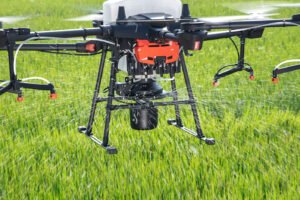
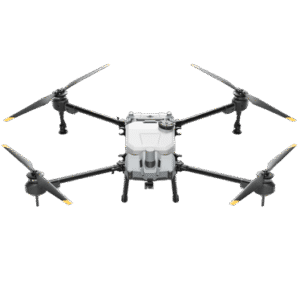
The DJI Agras T25P is an agricultural multirotor designed for crop spraying and granular spreading. Unlike a camera drone, its key buying considerations are payload configuration, field logistics, application setup, terrain, weather and the support available in the operating region. The figures below are manufacturer specifications; they are not independent field-test results.
Featured image: original IGIDRONE illustrative artwork. It does not depict the exact DJI Agras T25P aircraft.
Aircraft and operating capacity
DJI lists the aircraft at 26 kg without its battery in the spraying configuration and 33 kg with the battery. Maximum takeoff weight is listed as 53 kg for spraying and 60 kg for spreading. These are different operating configurations, so they should not be confused with the aircraft’s empty weight or the payload rating of an individual system.
Spraying and spreading systems
The spraying system has a 20-litre tank and a 20 kg operating payload. DJI specifies a maximum flow rate of 16 L/min with two nozzles or 24 L/min with four nozzles. The spreading system uses a 30-litre tank and supports a maximum 25 kg load in the spreading box. DJI lists a 3–8 m effective spreading width under its stated test conditions. Actual application results depend on material, settings, height, speed and environmental conditions.
Positioning, wind and obstacle awareness
DJI specifies a maximum configurable flight radius of 2,000 m and maximum wind resistance below 6 m/s. With a strong GNSS signal, the published hovering accuracy is ±10 cm horizontally and vertically when RTK is enabled; without RTK, the stated values are ±60 cm horizontally and ±30 cm vertically. The Safety System 3.0 combines phased-array radar and a tri-camera vision system, with a stated sensing range up to 60 m. Sensing performance depends on visibility, surface characteristics and operating conditions and should not replace a trained pilot’s judgement.
Who should consider it?
The T25P is aimed at agricultural operators who need a compact spraying and spreading platform and can support its batteries, charging equipment, application planning and maintenance requirements. Before purchase, confirm local aviation and agricultural-chemical rules, training requirements, service availability, compatible batteries and the exact regional configuration. Payload, range and application figures should be checked against the current manual for the unit being supplied.
Specifications at a glance
- Spraying weight: 26 kg without battery; 33 kg with battery
- Maximum takeoff weight: 53 kg spraying; 60 kg spreading
- Spraying tank and operating payload: 20 L / 20 kg
- Spreading tank and maximum box load: 30 L / 25 kg
- Maximum configurable flight radius: 2,000 m
- Maximum wind resistance: below 6 m/s
- Operating temperature: 0°C to 40°C
Source: DJI Agras T25P official specifications. Specifications can vary by market, configuration and firmware.
Spraying and spreading are separate configurations
The Agras T25P is an agricultural application aircraft, not a general-purpose camera drone. DJI lists a 20 L spraying tank with a 20 kg operating payload and a separate 30 L spreading system with a maximum 25 kg load. Maximum take-off weight also differs by application: 53 kg for spraying and 60 kg for spreading. These figures should not be combined into one generic payload claim.
Application quality depends on field setup
Flow rate, droplet size, spray width and spreading rate depend on the nozzle, material, height, speed and settings. DJI lists a maximum flow rate of 16 L/min with two nozzles or 24 L/min with four nozzles, and a 3-8 m effective spreading width under stated test conditions. These are capability figures, not guaranteed field coverage or agronomic outcomes. Calibrate for the actual crop, chemical label, water volume, granule type and weather.
Farm logistics and safety
Plan the whole operation: battery charging and transport, water or product mixing, clean-water supply, loading area, operator PPE, chemical handling, maintenance, spares and service support. Confirm local rules for agricultural drone operation, pesticide application, training, chemical registration and environmental protection. Aircraft approval does not automatically authorise every chemical or application method.
Wind, gusts, temperature, terrain, obstacles and drift risk affect whether a mission should proceed. Establish no-spray buffers and emergency procedures before each operation. The T25P is relevant to agricultural operators with trained staff, repeatable application needs and access to local service. Compare models by tank size, payload, field productivity, charging infrastructure and service coverage, not aircraft price alone.
Primary source: DJI Agras T25P official specifications and support.
Who should consider DJI Agras T25P?
This platform belongs in a farm-operations decision, not a conventional camera-drone shortlist. The buyer should first define the crop, treatment or spreading material, field size, terrain, daily hectares, water and chemical logistics, and the required application record. Tank volume and maximum flow are only part of the decision: nozzle selection, droplet spectrum, swath, travel speed, canopy, wind and calibration determine whether the system can deliver a consistent result. For DJI Agras T25P, validate application settings using the intended crop, material, nozzle or spreader and field layout rather than a generic demonstration.
Limitations and trade-offs to understand
Application figures are not universal field guarantees. Flow rate, effective swath and coverage change with nozzle type, droplet size, liquid properties, crop height, flight speed, altitude and weather. Wind and temperature can affect drift and evaporation. The operator must follow product labels, local pesticide rules, buffer zones and aviation requirements. Do not treat obstacle sensing or terrain following as a substitute for a surveyed field and an emergency plan. For DJI Agras T25P, keep an operating log of weather, payload, settings, field area and refill time so that productivity claims can be checked.
Alternatives worth comparing
Compare other agricultural aircraft in the same operating class, such as the DJI Agras T20P, T25P, T40 or T50 where relevant, and consider whether a multispectral mapping platform such as the DJI Mavic 3 Multispectral is a better fit for crop monitoring rather than application. These are different mission types; they are not interchangeable. For DJI Agras T25P, confirm the exact agricultural kit and regional support route before buying; aircraft-only specifications do not describe a complete spraying operation.
Pre-purchase and ownership checklist
Ask the supplier for the exact nozzle/spreader configuration, supported materials, calibration procedure, battery cycle expectations, charging plan, service response time and operator training. Request written confirmation of local registration, pilot qualification, agricultural chemical approvals and insurance obligations. Record the test conditions behind any productivity claim. For DJI Agras T25P, plan cleaning, battery storage and chemical-handling procedures as part of the ownership cost.
How to use this specification profile
This page is a research-based reference, not a claim that IGIDRONE has independently flight-tested the aircraft. Treat manufacturer maximums as test-condition figures and distinguish standard equipment from optional accessories or regional bundles. Before buying, compare the exact model code, firmware, battery, controller and payload configuration against the current official manual. If a field is marked unknown or is not documented by the manufacturer, do not infer a value from a similarly named variant. For DJI Agras T25P, validate application settings using the intended crop, material, nozzle or spreader and field layout rather than a generic demonstration.
Primary manufacturer reference: Open the manufacturer specification or support page. Confirm the current regional documentation before purchase. For DJI Agras T25P, keep an operating log of weather, payload, settings, field area and refill time so that productivity claims can be checked.
Editorial update: 8 November 2026. Model availability, prices, software support and regional operating rules can change. Confirm them with the manufacturer, authorised distributor and relevant aviation authority before purchase or flight. For DJI Agras T25P, confirm the exact agricultural kit and regional support route before buying; aircraft-only specifications do not describe a complete spraying operation.
Drone Specifications
| Brand | DJI |
|---|---|
| Camera | Night-vision colour FPV camera; agricultural spraying/spreading system |
| Maximum Flight Time (minutes) | Not published by manufacturer for this model minutes |
| Maximum Transmission Range (km) | 2,000 m maximum configurable flight radius (not video transmission range) km |
| Weight (g) | 33 kg (spraying with battery; 26 kg without battery) g |
| Battery Capacity (mAh) | Flight Battery: 15500 mAh; DB800 Intelligent Flight Battery: 15500 mAh mAh |
| Wind Resistance (m/s) | <6 m/s |
| Obstacle Sensing | Front/rear phased-array radar and tri-camera vision; up to 60 m stated sensing range |
| Positioning / GPS | GNSS; RTK-supported positioning |
| Maximum Speed (m/s) | Not published by manufacturer for this model m/s |
Additional Notes
DJI AGRAS T25P: 26 kg spraying configuration without battery / 33 kg with battery; max takeoff weight 53 kg spraying / 60 kg spreading. 20 L spray tank with 20 kg operating payload; 30 L spreading tank with up to 25 kg load. Max configurable flight radius 2,000 m; max wind resistance <6 m/s; operating temperature 0–40°C. DB800 battery: 15,500 mAh, 52.22 V, approx. 6.6 kg. DJI does not list a conventional maximum flight-time or aircraft top-speed figure on this specifications page.
Specification source: Official source
Last verified: 2026-11-08
Official Price (USD)
No public USD price was verified on the manufacturer’s official store during this check.
For enterprise or discontinued models, contact the manufacturer for a current quotation. We do not substitute third-party seller prices.
Price checked: 2026-11-07
MODEL TECHNICAL RECORD
Detailed Technical Specifications
Manufacturer-specific technical information recorded for this model. Values not present in the source record are not estimated.
Aircraft
| Weight | 26 kg (spraying without battery); 33 kg (spraying with battery) |
|---|---|
| Maximum Takeoff Weight | 53 kg spraying; 60 kg spreading |
| Maximum Diagonal Wheelbase | 1970 mm |
| Dimensions | Spraying: 2650×2700×820 mm unfolded; 1520×1580×820 mm arms unfolded/propellers folded; 1120×700×850 mm folded |
| Hovering Accuracy Range | RTK enabled: ±10 cm horizontal/vertical; RTK disabled: ±60 cm horizontal, ±30 cm vertical |
| Maximum Configurable Flight Radius | 2000 m |
| Operating Temperature | 0–40°C |
| Maximum Wind Resistance | Level 3 wind (<6 m/s) |
| Max Takeoff Weight[1] | Max takeoff weight for spraying: 53 kg Max takeoff weight for spreading: 60 kg |
| Max Diagonal Wheelbase | 1970 mm |
| Hovering Accuracy Range (with strong GNSS signal) | RTK enabled: Horizontal: ±10 cm, Vertical: ±10 cm RTK disabled: Horizontal: ±60 cm, Vertical: ±30 cm |
| Max Configurable Flight Radius | 2000 m |
| Max Wind Resistance | Level 3 wind (<6 m/s) |
Spraying System
| Spray Tank Volume | 20 L |
|---|---|
| Operating Payload | 20 kg |
| Maximum Flow Rate | 16 L/min (2 nozzles); 24 L/min (4 nozzles) |
| Effective Spray Width | 4–7 m at 3 m above crops |
Spreading System 4.0
| Tank Volume | 30 L |
|---|---|
| Maximum Payload | 25 kg |
| Maximum Discharge Rate | 190 kg/min (compound fertilizer) |
| Effective Spreading Width | 3–8 m |
| Compatible Material Diameter | 0.5-5 mm dry granules |
| Spreading Tank Volume | 30 L |
| Spreader structure type | Centrifugal Disc |
| Discharge Structure Type | Feeder Feeding |
| Max Discharge Rate | 190 kg/min (compound fertilizer) |
| Max load inside the spreading operation box | 25 kg |
| Effective spreading width[3] | 3-8 m |
Safety System 3.0
| Front Radar | Horizontal 360°, vertical ±45°, upper ±45° cone |
|---|---|
| Rear Radar | Vertical 360°, horizontal ±45° |
| Tri-camera Vision | Horizontal 90°, vertical 180° |
| Sensing Range | Up to 60 m |
| Millimeter-Wave Radar EIRP | <20 dBm (NCC/MIC/KC/CE/FCC) |
| Operating Temperature | 0° to 40° C; |
| Operating Environment | Adequate light and discernible surroundings |
| Operating Frequency | 24.05-24.25 GHz (NCC/FCC/MIC/KC/CE) |
| Field of View (FOV) | Front phased array digital radar: Horizontal 360°, Vertical ±45°, Upper ±45° (cone) Rear phased array digital radar: Vertical 360°, Horizontal ±45° Tri-camera vision system: Horizontal 90°, Vertical 180° |
| Range[4] | ≤ 60 m |
| Effective safe obstacle avoidance speed[5] | ≤ 10 m/s |
| Effective Obstacle Avoidance Height | ≥ 1.5 m |
| Safe Distance | 2.5m (Distance between the drone and obstacle after braking and stable hovering) |
Remote Controller
| Model | TKPL 2 |
|---|---|
| Screen | 7-inch LCD, 1920×1200, 1400 cd/m² |
| Storage Temperature Range | Less than one month: -30° to 45° C (-22° to 113° F) One to three months: -30° to 35° C (-22° to 95° F) Three months to one year: -30° to 30° C (-22° to 86° F) |
| Charging Temperature | 5° to 40° C (41° to 104° F) |
| Internal Battery Runtime | 3.8 hours |
| External Battery Runtime | 3.2 hours |
| Charging Type | It is recommended to use a locally certified USB-C charger at a maximum rated power of 65 W and maximum voltage of 20 V such as the DJI 65W Portable Charger. |
| Charging Time | 2 hours for internal battery or internal and external battery (when remote controller is powered off and using a standard DJI charger) |
Flight Battery
| Model | DB800 |
|---|---|
| Capacity | 15500 mAh |
| Weight | Approx. 6.6 kg |
Propulsion System - Motors
| Stator Size | 100×28 mm |
|---|---|
| KV | 59 RPM/V |
Propulsion System - Propellers
| Material | Nylon carbon fiber |
|---|---|
| Dimensions | 50 in |
| Quantity | 4 |
Spraying System - Spray Tank
| Material | Plastic (HDPE) |
|---|---|
| Volume | 20 L |
| Operating Payload | 20 kg |
Spraying System - Sprinklers
| Model | LX07550SX |
|---|---|
| Quantity | Standard Configuration 2 |
| Nozzle Distance | 1420 mm (Rear Nozzles) |
| Droplet Size | 50-500 μm |
| Effective Spray Width[2] | 4-7 m (at a height of 3 m above the crops) |
Spraying system - Delivery Pumps
| Type | Impeller Pump (Magnetic Drive) |
|---|---|
| Quantity | 2 |
| Max Flow Rate | 16 L/min (2 nozzles) 24 L/min (4 nozzles) |
DB800 Intelligent Flight Battery
| Weight | Approx. 6.6 kg |
|---|---|
| Capacity | 15500 mAh |
| Nominal Voltage | 52.22 V |
D6000i Multifunctional Inverter Generator
| Battery charging time[6] | To fully charge one battery (DB800 battery) takes 9-12 mins |
|---|---|
| Fuel tank capacity | 20 L |
| Starting Method | Starting the Generator via the One-Button Start Switch |
| Max Power of Engine | 6 kW |
| Fuel type | Unleaded gasoline with RON ≥91 (AKI ≥87) and alcohol content less than 10% (*Brazil: unleaded gasoline with RON ≥ 91 and alcohol content of 27%) |
| Reference fuel consumption | 600 ml/kWh |
| Engine Oil Capacity | 0.8 L |
| Engine Oil Model | SJ10W-40 |
C8000 Intelligent Power Supply
| Dimensions | 300×280×230 mm |
|---|---|
| Weight | 11.5 kg |
| Input | 100-240 Vac |
| Output | Output Voltage: 59.92VOutput Current: 100A max |
| Charging Time[6] | Fully charges a battery in 9 to 12 minutes (DB800 Intelligent Flight Battery) |
| Protection Functions | Over-voltage, over-charge, under-voltage and over-temperature protection. |
| Charging Safety | AC wire protection, power wire protection, and charge connector protection |


Aircraft & Flight
| Maximum takeoff weight | 53 kg spraying; 60 kg spreading |
|---|
Operating Conditions & Dimensions
| Maximum wind resistance | Level 3 wind; less than 6 m/s |
|---|
MANUFACTURER DATA
Detailed official specifications
Technical figures below are transcribed from the manufacturer documentation linked with this profile. Test figures are maximum or controlled-condition ratings where stated; actual performance varies by configuration and operating conditions. A field is omitted when the cited source does not publish a reliable value.
Manufacturer source last checked: 2026-11-08
Evidence type: Official DJI manufacturer specifications / support documentation
Aircraft
| Weight | 26 kg (spraying without battery); 33 kg (spraying with battery) |
|---|---|
| Maximum takeoff weight | Max takeoff weight for spraying: 53 kg; Max takeoff weight for spreading: 60 kg |
| Max Diagonal Wheelbase | 1970 mm |
| Dimensions | Spraying:; 2650 × 2700 × 820 mm (arms and propellers unfolded); 1520 × 1580 × 820 mm (arms unfolded and propellers folded); 1120 × 700 × 850 mm (arms and propellers folded); Spreading:; 2650 × 2700 × 850 mm (arms and propellers unfolded); 1520 × 1580 × 850 mm(arms unfolded and propellers folded); 1120 × 700 × 850 mm(arms and propellers folded) |
| Hovering Accuracy Range (with strong GNSS signal) | RTK enabled:; Horizontal: ±10 cm, Vertical: ±10 cm; RTK disabled:; Horizontal: ±60 cm, Vertical: ±30 cm |
| Max Configurable Flight Radius | 2000 m |
| Operating temperature range | 0° to 40°C |
| Maximum wind resistance | Level 3 wind (<6 m/s) |
Propulsion System - Motors
| Stator Size | 100 × 28 mm |
|---|---|
| KV | 59 RPM/V |
Propulsion System - Propellers
| Material | Nylon carbon fiber |
|---|---|
| Dimensions | 50 in |
| Quantity | 4 |
Spraying System - Spray Tank
| Material | Plastic (HDPE) |
|---|---|
| Volume | 20 L |
| Operating Payload | 20 kg |
Spraying System - Sprinklers
| Model | LX07550SX |
|---|---|
| Quantity | Standard Configuration 2 |
| Nozzle Distance | 1420 mm (Rear Nozzles) |
| Droplet Size | 50-500 μm |
| Effective Spray Width | 4-7 m (at a height of 3 m above the crops) |
Spraying system - Delivery Pumps
| Type | Impeller Pump (Magnetic Drive) |
|---|---|
| Quantity | 2 |
| Max Flow Rate | 16 L/min (2 nozzles); 24 L/min (4 nozzles) |
Spreading System 4.0
| Compatible Material Diameter | 0.5-5 mm dry granules |
|---|---|
| Spreading Tank Volume | 30 L |
| Spreader structure type | Centrifugal Disc |
| Discharge Structure Type | Feeder Feeding |
| Max Discharge Rate | 190 kg/min (compound fertilizer) |
| Max load inside the spreading operation box | 25 kg |
| Effective spreading width | 3-8 m |
Safety System 3.0
| Millimeter-Wave Radar EIRP | <20 dBm (NCC/MIC/KC/CE/FCC) |
|---|---|
| Operating temperature range | 0° to 40°C; |
| Operating Environment | Adequate light and discernible surroundings |
| Operating Frequency | 24.05-24.25 GHz (NCC/FCC/MIC/KC/CE) |
| Field of View (FOV) | Front phased array digital radar: Horizontal 360°, Vertical ±45°, Upper ±45° (cone); Rear phased array digital radar: Vertical 360°, Horizontal ±45°; Tri-camera vision system: Horizontal 90°, Vertical 180° |
| Range | ≤ 60 m |
| Effective safe obstacle avoidance speed | ≤ 10 m/s |
| Effective Obstacle Avoidance Height | ≥ 1.5 m |
| Safe Distance | 2.5m (Distance between the drone and obstacle after braking and stable hovering) |
Remote Controller
| Model | TKPL 2 |
|---|---|
| Screen | 7-inch LCD touchscreen; resolution: 1920 × 1200; brightness: 1400 cd/m² |
| Storage Temperature Range | Less than one month: -30° to 45°C (-22° to 113° F); One to three months: -30° to 35°C (-22° to 95° F); Three months to one year: -30° to 30°C (-22° to 86° F) |
| Charging Temperature | 5° to 40°C (41° to 104° F) |
| Internal Battery Runtime | 3.8 hours |
| External Battery Runtime | 3.2 hours |
| Charging Type | It is recommended to use a locally certified USB-C charger at a maximum rated power of 65 W and maximum voltage of 20 V such as the DJI 65W Portable Charger. |
| Charging Time | 2 hours for internal battery or internal and external battery (when remote controller is powered off and using a standard DJI charger) |
DB800 Intelligent Flight Battery
| Weight | Approx. 6.6 kg |
|---|---|
| Capacity | 15500 mAh |
| Nominal Voltage | 52.22 V |
D6000i Multifunctional Inverter Generator
| Battery charging time | To fully charge one battery (DB800 battery) takes 9-12 mins |
|---|---|
| Fuel tank capacity | 20 L |
| Starting Method | Starting the Generator via the One-Button Start Switch |
| Max Power of Engine | 6 kW |
| Fuel type | Unleaded gasoline with RON ≥91 (AKI ≥87) and alcohol content less than 10%; (*Brazil: unleaded gasoline with RON ≥ 91 and alcohol content of 27%) |
| Reference fuel consumption | 600 ml/kWh |
| Engine Oil Capacity | 0.8 L |
| Engine Oil Model | SJ10W-40 |
C8000 Intelligent Power Supply
| Dimensions | 300 × 280 × 230 mm |
|---|---|
| Weight | 11.5 kg |
| Input | 100-240 Vac |
| Output | Output Voltage: 59.92VOutput Current: 100A max |
| Charging Time | Fully charges a battery in 9 to 12 minutes (DB800 Intelligent Flight Battery) |
| Protection Functions | Over-voltage, over-charge, under-voltage and over-temperature protection. |
| Charging Safety | AC wire protection, power wire protection, and charge connector protection |
Source: manufacturer technical specifications and official support documentation. Regional versions, payloads, batteries, firmware and test conditions can change the stated figures. Check the linked source for the applicable configuration.
Related Dji drones
Explore other published models from the same manufacturer.